

An AI made UGC style ad costs $7.20 to $36.00 in generation fees for 30 seconds, if you generate each clip 3 times and keep one. That is $0.08 to $0.40 per second at list price, for models that generate speech and sound in the same pass. It excludes the script, editing and any paid media. Prices were checked October 29, 2026.
How much does a 15, 30 or 60 second AI UGC video cost?
The table prices one generation of each length. We only included models whose built in audio is documented: Veo 3.1 and Kling 3.0 list audio on and off rates, and ByteDance Seed describes Seedance 2.0 as joint audio and video generation. Every number comes from our price list, at the cheapest provider for that row.
| Model and resolution | Cheapest provider | Per second | 15 s | 30 s | 60 s |
|---|---|---|---|---|---|
| Veo 3.1 Lite 1080p | fal.ai | $0.08 | $1.20 | $2.40 | $4.80 |
| Veo 3.1 Fast 1080p | wiro.ai | $0.12 | $1.80 | $3.60 | $7.20 |
| Veo 3.1 1080p | fal.ai | $0.40 | $6.00 | $12.00 | $24.00 |
| Kling 3.0 Standard 720p | fal.ai | $0.126 | $1.89 | $3.78 | $7.56 |
| Kling 3.0 Pro 1080p | fal.ai | $0.168 | $2.52 | $5.04 | $10.08 |
| Seedance 2.0 720p | BytePlus ModelArk | $0.15 | $2.25 | $4.50 | $9.00 |
| Seedance 2.0 1080p | BytePlus ModelArk | $0.37 | $5.55 | $11.10 | $22.20 |
A 60 second ad is not one generation. Veo 3.1 clips run up to 8 seconds, and Kling 3.0 and Seedance 2.0 clips up to 15, so you stitch several. For the per second math on other models, see how much a 30 second AI Reel costs.
Why does an AI UGC ad cost more than one generation?
Because the first take is rarely the one you keep. Hands, mouth movement and wording drift, and you rerun the clip. We assume 3 generations for every clip that ends up in the ad. This is our assumption, not a measured rate. If you keep one in two, multiply the single take figures by 2 instead.
| Model and resolution | 15 s ad | 30 s ad | 60 s ad | Clips in a 30 s ad |
|---|---|---|---|---|
| Veo 3.1 Lite 1080p | $3.60 | $7.20 | $14.40 | 4 |
| Veo 3.1 Fast 1080p | $5.40 | $10.80 | $21.60 | 4 |
| Veo 3.1 1080p | $18.00 | $36.00 | $72.00 | 4 |
| Kling 3.0 Standard 720p | $5.67 | $11.34 | $22.68 | 2 |
| Kling 3.0 Pro 1080p | $7.56 | $15.12 | $30.24 | 2 |
| Seedance 2.0 720p | $6.75 | $13.50 | $27.00 | 2 |
| Seedance 2.0 1080p | $16.65 | $33.30 | $66.60 | 2 |
Clip count matters here. A clip is generated again as a whole, so a 15 second clip that fails costs more than an 8 second one. Shorter clips make a retake cheaper, but they add cuts and the person has to look the same in each. Our model comparison lists the reference inputs that help with that.
What does a month of ad testing cost?
Creative testing means many versions: different hooks, different people, different offers. This table assumes 30 second ads and 3 takes each, and counts generation fees only.
| Model and resolution | 10 variations | 20 variations | 40 variations |
|---|---|---|---|
| Veo 3.1 Lite 1080p | $72.00 | $144.00 | $288.00 |
| Veo 3.1 Fast 1080p | $108.00 | $216.00 | $432.00 |
| Veo 3.1 1080p | $360.00 | $720.00 | $1,440 |
| Kling 3.0 Standard 720p | $113.40 | $226.80 | $453.60 |
| Kling 3.0 Pro 1080p | $151.20 | $302.40 | $604.80 |
| Seedance 2.0 720p | $135.00 | $270.00 | $540.00 |
| Seedance 2.0 1080p | $333.00 | $666.00 | $1,332 |
At 20 variations a month, Veo 3.1 Lite 1080p costs $144.00 and Veo 3.1 1080p costs $720.00. Put your own count and model into the Reel budget planner to see your number.
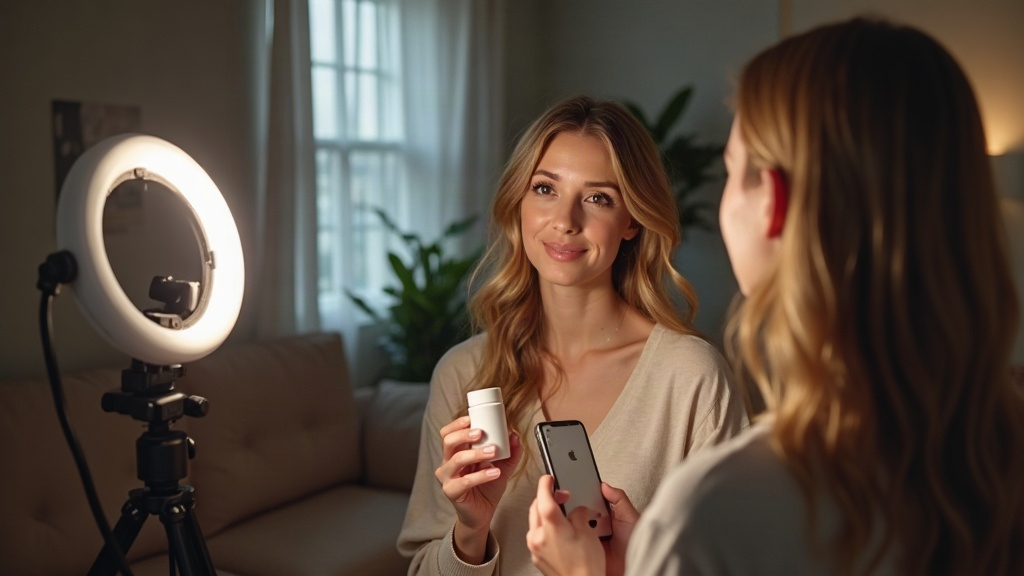
How does AI UGC compare with a human creator?
We do not quote a creator rate here. The figures we found for what brands pay UGC creators come from marketplaces and agency blogs, and we could not open a primary, dated rate card to cite them as that source's numbers. Rates vary widely with usage rights, exclusivity and experience, so any single average misleads.
What we can say is structural. A creator fee buys a real person, a real product use, edits and usually rights to run the video as an ad. An AI fee buys footage only. Generation is also the cheap part: the script, reviews and edits are the same work either way. And an AI video of a person is not a person's real experience, which matters in the next two sections.
Do you have to label AI UGC ads?
The platforms' own pages say yes for realistic AI content, with details that differ. We read the general policies below. Ad policies can add rules, so check the ad terms of the platform you buy on.
- Meta. Meta says it adds "AI info" labels to video, audio and image content when it detects industry standard AI indicators or when people disclose AI generated uploads. See Meta's approach to labeling AI content.
- TikTok. TikTok's synthetic media policy requires labeling AI generated content that contains realistic images, audio or video, using its label, a sticker or a caption. See TikTok's announcement.
- YouTube. Creators must disclose AI content that seems realistic, including content that generates a realistic scene that did not occur or makes a real person appear to say something they did not. Repeated failure can mean a label applied for you or removal. See YouTube's disclosure page.
What does the FTC fake review rule mean for AI testimonials?
The FTC's rule on fake reviews and testimonials, announced August 14, 2024, covers testimonials that misrepresent they are by someone who does not exist, "such as AI-generated fake reviews", or who had no real experience with the product. It lets the agency seek civil penalties against knowing violators. In practice, an AI actor who says "I used this for a month" is the risky case. An AI presenter who explains the product without claiming a customer experience is a different one. This is not legal advice, so have a lawyer read your scripts. See the FTC announcement.
How do you keep AI UGC testing cheap?
- Test the script on the cheapest row first. The spread between the cheapest and dearest row above is large, and a hook that fails fails at any price.
- Approve a still frame before you pay for motion. Image to video lets you fix the person and setting before you spend on seconds.
- Cut the hook, not the whole ad. Most variations change the first few seconds. Generate those, and reuse the rest.
- Check availability. Fal lists its Veo 3.1 endpoints as deprecated on November 17, 2026, so confirm a model will still be offered before you build a workflow on it.
Where Raytake fits
Raytake is a Mac app that makes short videos through a chat with an AI assistant. It shows each model's price before it runs, and it asks you to approve still frames before paying for video, so retakes happen at the cheap end.
Frequently asked questions
- How much does an AI UGC video cost?
- At list prices checked October 29, 2026, one 30 second generation with audio costs $2.40 to $12.00. With 3 takes per kept clip it is $7.20 to $36.00.
- How much does a 60 second AI UGC ad cost?
- With 3 takes per clip, generation fees are $14.40 on Veo 3.1 Lite 1080p and $72.00 on Veo 3.1 1080p. A 60 second ad needs 8 Veo 3.1 clips or 4 Kling 3.0 clips.
- How much does 20 AI ad variations a month cost?
- For 20 ads of 30 seconds with 3 takes each, $144.00 on Veo 3.1 Lite 1080p up to $720.00 on Veo 3.1 1080p, in generation fees only.
- Is AI UGC cheaper than a creator?
- Generation fees are low, but we do not quote a creator rate because we could not cite a primary, dated source. A creator fee also includes a real person and usually usage rights, which AI footage does not.
- Do I have to disclose that a UGC ad is AI generated?
- Meta, TikTok and YouTube each document labeling of realistic AI content, and TikTok and YouTube require disclosure. Check the platform's ad policy as well. The FTC also bans testimonials from people who do not exist.
Sources
- Seedance 2.0 on ByteDance Seed
- Veo 3.1 Fast on fal
- Veo 3.1 on Google Cloud documentation
- Kling 3.0 Standard text to video on fal
- Google Vertex AI pricing
- Meta: our approach to labeling AI generated content
- TikTok: new labels for disclosing AI generated content
- YouTube Help: disclosing use of GenAI content
- FTC: final rule banning fake reviews and testimonials
- Raytake Reel budget planner
- Raytake AI video model pricing tool